Theology and Film – Sárospataki Füzetek 2023/2. – Editorial
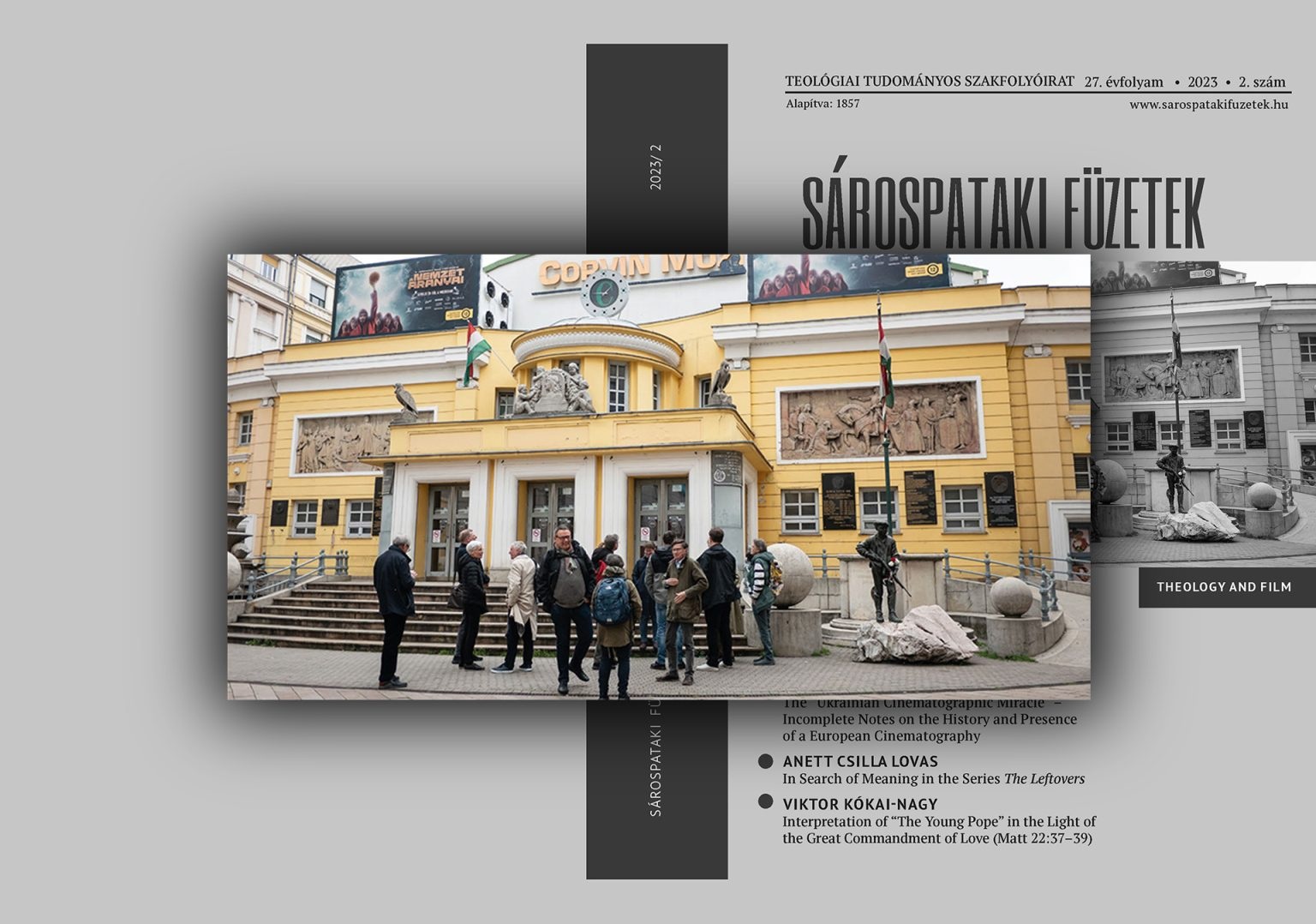
The present issue of Sárospataki Füzetek gives an insight into two conferences on the theme of theology and film. In Budapest, at the end of April 2023, Interfilm International was organising a seminar on the history of Hungarian film and the current situation in Central and Eastern Europe. In the middle of October 2023, Interfilm Hungary held its second international conference. The venue and host of the event was the Sárospatak Reformed Theological Academy. The theme of the conference this time was “Screen Priests and Screen Pastors”. The programme included lectures and film screenings to help deepen the understanding of the topic: how are priests and pastors portrayed in cinema and TV films?
According to biblical scholar Walter Brueggemann1 the Psalms can be categorized into three fundamental themes: orientation, disorientation, and new orientation. These themes reflect different phases of human experience. Brueggemann describes the categories in the following way:
a) Sometimes, life blesses us with contentment and stability. During these seasons, we feel gratitude for the constancy of God’s goodness. The “psalms of orientation” express joy, delight, coherence, and the reliability of God, creation, and divine law.
b) At other times, life throws us into hurt, suffering, and alienation. These moments evoke rage, resentment, and self-pity. The “psalms of disorientation” mirror this painful disarray. They allow for extravagant expression, hyperbole, and abrasiveness.
c) Human life, at times, consists of turns of surprise when unexpectedly, joy breaks through despair, illuminating our darkness. The “psalms of new orientation” boldly proclaim fresh gifts from God, reshaping our perspective. These affirm a sovereign God who continually renews and transforms our human experience.
But human life is not merely a static position where we find ourselves. It is also a dynamic journey – a continuous movement from one circumstance to another. Along this path, we encounter surprises – new situations we did not anticipate. Sometimes, we resist these changes, clinging desperately to what is familiar. Some of the films screened or discussed at the two conferences could be consideres cinematic
poems of that journey.
In our current times, we might be more acquainted with transitions from settled orientations to seasons of disorientation or moves from certainty to uncertainty. These shifts are not just external changes; they are deeply personal awakenings. Whether abrupt or gradual, they dismantle our old, known world. We relinquish our safe confidence in God’s good creation, and a rush of negative emotions floods in – rage, resentment, guilt, shame, isolation, despair, and even hatred.
But there is another move we hope for and pray to experience: the shift from disorientation to new orientation. Imagine moving from uncertainty to fresh certainty, surprised by a divine gift just when all seemed lost. It is like escaping the chaotic pit we thought we would never leave – an inexplicable departure, credited solely to God’s intervention. This transformative journey toward new life brings forth
positive responses: delight, amazement, wonder, awe, gratitude, and thanksgiving.
Brueggemann, Walter: The Message of the Psalms: A Theological Commentary, Minneapolis, Augsburg
Publishing, 1984, 19–21.
Gabriella Rácsok
chief editor of the present issue